What is a Sapper?
“That’s really about how we create pathways for maneuver,” explains Pera. When our Army needs a tough job done, they call on the sappers.”
After 250 years, the role of the sapper continues to evolve, but remains essential to military operations worldwide. “A sapper is really the cutting edge of the nation’s sword,” says Col. Christopher Klein, commander of the USACE Middle East District.
“And that’s why you need to do it.”
In 2024, the Sapper School had a graduation rate of just under 50%.
“As an engineer, you learn to become almost a Swiss Army knife,” says Capt. This course is also designed to build esprit de corps by training Soldiers in troop leading procedures, demolitions - both conventional and expedient - and mountaineering operations.
The course culminates in an intense field training exercise that reinforces the use of the battle drills and specialized engineer techniques learned throughout the course.
“The course is very, very intense,” says Maj. Charles Martin, USACE Baltimore District Real Estate Field Office realty specialist.
"It reminded me of why I joined the Army in the first place; it made me proud to be a Soldier."
According to the official Sapper Leader Course Web site, the course is open to enlisted Soldiers in the rank of specialist and above, cadets, and officers in the rank of captain and below.
John Chambers, Sapper Leader Course chief of training, "While experience as a combat engineer is helpful, it is not required in order to attend."
"The most important thing is having the desire to learn and the drive to make it through the course," he said. It’s a French term,” said USACE Command Sgt. Maj. Douglas Galick.
Back then, military engineers would dig trenches to breach enemy defenses without direct exposure to enemy fire.
“Those trenches were called saps.
It teaches mobility, countermobility, survivability, demolitions, engineer reconnaissance and other technical skills at the small unit level. Sappers install portable bridges, tank traps and other construction that provides tactical support. The course started in 1985 and became fully accredited as a United States Army Training and Doctrine Command course in 2004.
Competitors cover 50 miles in 50 hours while executing a myriad of tactical and technical tasks. “There’s a credibility to other engineer leaders that wear the tab,” said Galick. That same year, on June 28, the Army officially authorized the wearing of the Sapper Tab, an initiative approved by then-Chief of Engineers Lt.
Gen. Robert B. Flowers.
Since 2005, USAES has hosted the Lt. Gen. Robert B. Flowers Best Sapper Competition at Fort Leonard Wood, challenging the physical prowess, mental fortitude and technical skills of sappers.
"This course really pumped me up," said Willson.
Willson said after his graduation from the Sapper Leader Course, he decided that he would re-enlist to attend the U.S.
Army Ranger course next year. “Techniques, from advanced demolitions into land navigation, and the basics in waterborne (and) airborne operations (are part of phase one),” says Maj. Blake Jones from USACE New England District.
In the patrolling phase, leadership is tested under extreme stress.
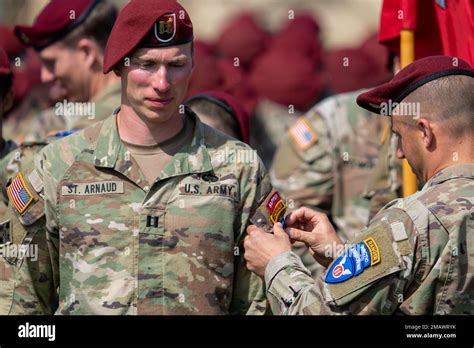
For 250 years, sappers have served as elite combat engineers, supporting frontline infantry in every war throughout American history.
“A sapper, in a historic sense, goes back to the 17th century.